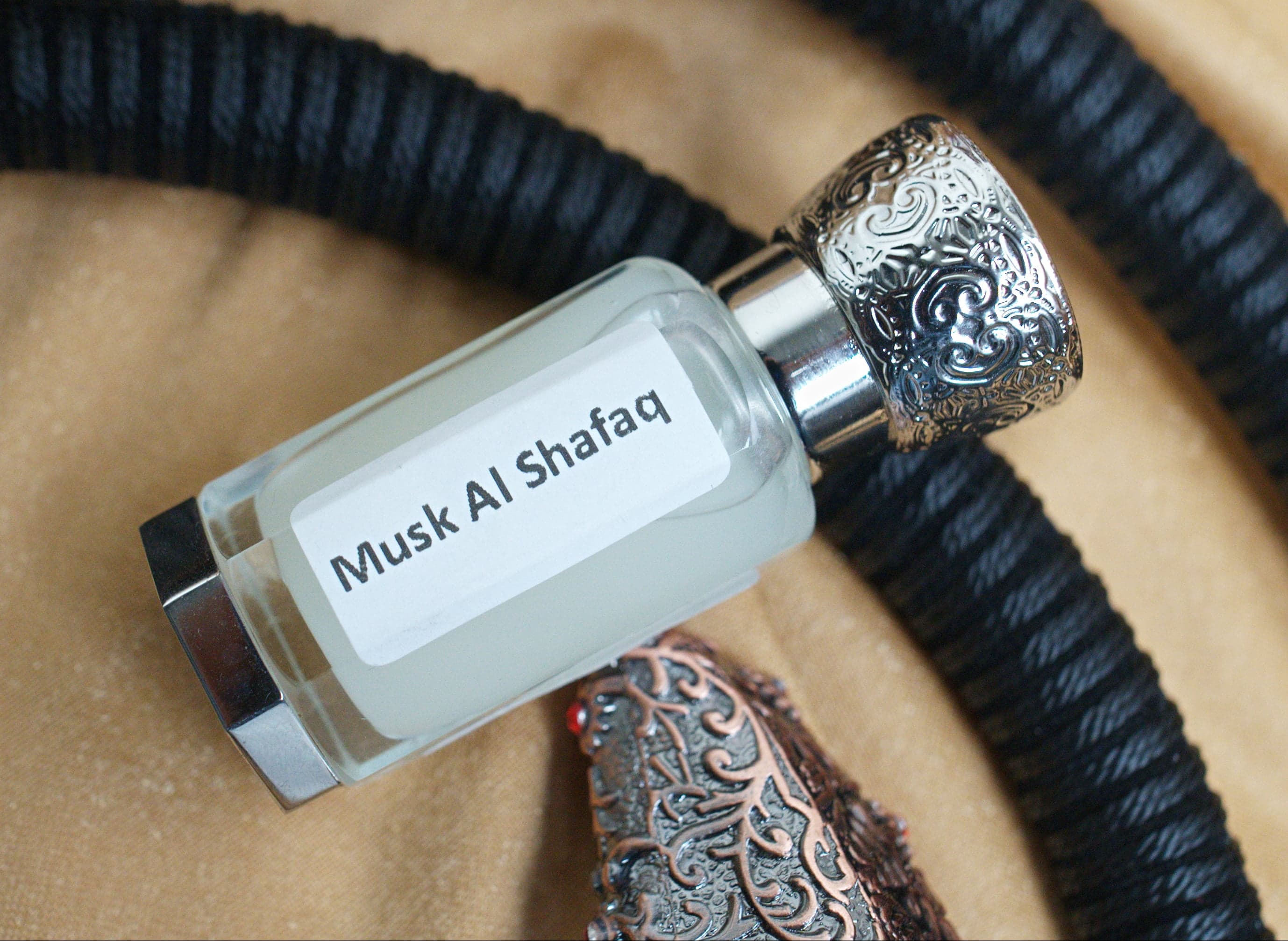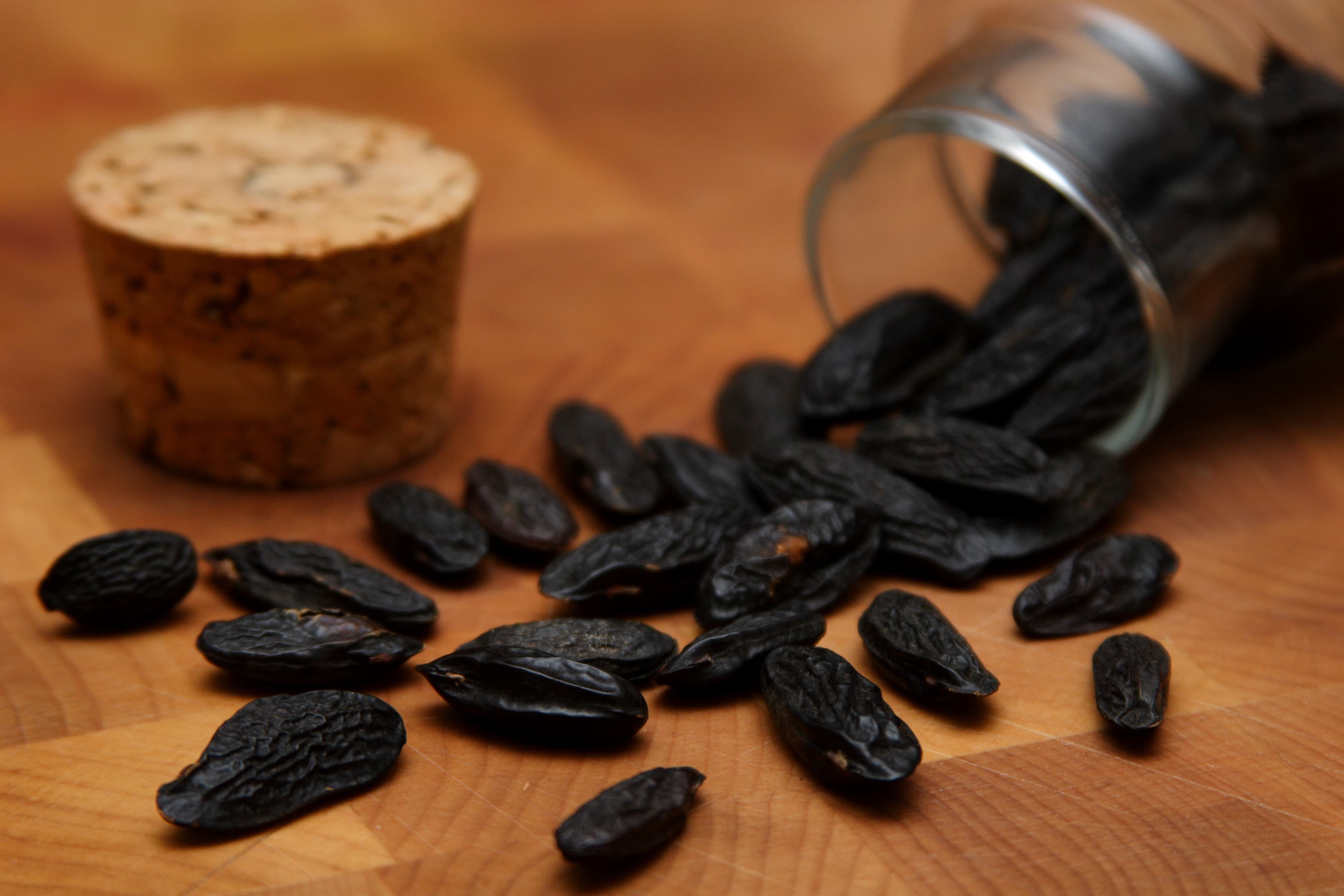
An attar reaches its dry-down with the softness of vanilla, but it does not smell merely creamy or dessert-like. Beneath the sweetness, you notice warm resin, a touch of cinnamon, powder, wood and something that recalls quiet incense smoke. Benzoin may be helping to create that smooth depth.
Benzoin is less familiar to many people than vanilla or tonka bean, yet it has a long and important role in amber, gourmand, woody and resinous fragrances. Sometimes its own scent is noticeable. At other times, it works almost invisibly, softening sharper notes and connecting the entire composition.
This guide explains what benzoin is, where it comes from, what it smells like, how Siam and Sumatra benzoin differ, and what this resin does in attar and perfume.
What Is Benzoin?
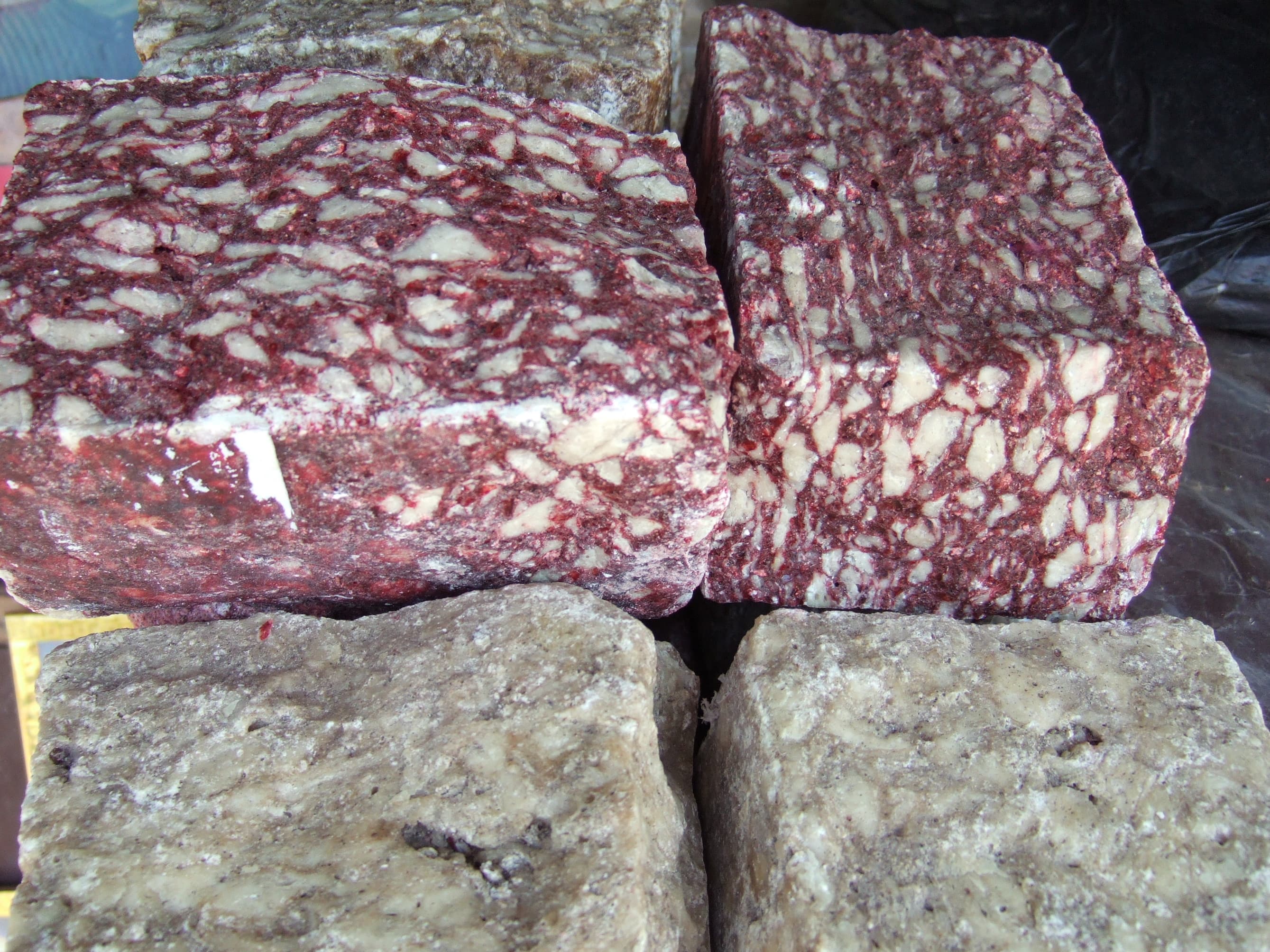
Benzoin is an aromatic resin obtained from the trunks of several trees in the Styrax genus. Growers make controlled cuts in the bark, and a sticky exudate develops around the wounded area. Exposure to air gradually turns it into pale, reddish or dark brown pieces known as resin tears.
It is not a flower, bean or piece of fossilised amber. Despite the similar names, benzoin resin, benzene and the single laboratory compound called “benzoin” are not the same thing. In perfumery, benzoin usually means the aromatic Styrax resin or a tincture, resinoid, absolute or other extract made from it.
The two best-known commercial types are:
Siam Benzoin: obtained mainly from Styrax tonkinensis
Sumatra Benzoin: obtained mainly from Styrax benzoin and closely related Styrax species
Kew Science places the native range of Styrax tonkinensis from southern China into Indo-China. The native range of Styrax benzoin extends from Bangladesh to western and central Malesia, although commercial Sumatra benzoin is most closely associated with Indonesia.
How Does a Tree Produce Benzoin Resin?
Styrax trees do not normally release large quantities of resin through unbroken bark. When the bark and inner tissue are injured, the tree responds by forming traumatic resin ducts. Aromatic material accumulates around the wound as part of this defensive process. Scientific literature therefore describes benzoin as a pathological exudate. Here, pathological refers to resin formed in response to injury, not to an unusable or diseased material.
The general harvesting process follows a few stages:
Growers make carefully placed cuts in the bark of a sufficiently mature tree.
A soft, sticky exudate begins to collect around each wound.
Exposure to air reduces volatile material while oxidation and polymerisation help the resin harden.
After several weeks or months, the hardened resin is collected by hand.
Bark, dust and other impurities are removed before the material is dried and graded.
The first collection may be cleaner than later flows. Later material can become darker and may contain more bark or debris. Large, clean tears are often valued more highly, but colour alone cannot prove chemical or olfactory quality. Species, location, collection stage and processing all affect the finished resin.
How Does Raw Resin Become a Perfumery Material?
Raw benzoin can be hard, sticky and difficult to disperse evenly in a fragrance formula. Perfumers and suppliers therefore prepare it in several forms.
Material | How it is prepared | General character |
|---|---|---|
Raw Benzoin Resin | Hardened tears or masses collected from the tree | Dark, balsamic and incense-like; difficult to formulate directly |
Benzoin Tincture | Resin soaked in alcohol over time | A traditional, warm and resinous preparation |
Benzoin Resinoid | Concentrate obtained through a first solvent extraction | Thick, viscous, sweet and balsamic |
Benzoin Absolute | A resinoid subjected to further purification | More refined and easier to blend in fine fragrance |
Benzoin SFE or CO₂ Extract | Extracted with supercritical carbon dioxide | Designed to preserve more of the natural material at a low temperature |
Benzoin Accord | A perfumer's reconstruction using several aroma materials | Can be cleaner, sweeter, darker or more consistent, depending on the formula |
Terminology and production methods can vary between suppliers. If a raw material is sold as Benzoin Absolute, its supplier specification provides more useful information than the name alone. Likewise, seeing “Benzoin” in a fragrance note list does not prove that natural benzoin extract is present in the bottle.
What Does Benzoin Smell Like?
Benzoin does not have one fixed smell. Species, origin, grade and extraction can shift its profile. A few facets, however, appear repeatedly:
Warm, balsamic sweetness
A smooth impression of vanilla or soft caramel
Light powder and warm wax
A hint of cinnamon or sweet spice
Dry resin, incense and soft wood
Occasional almond-skin, cocoa or gently smoky nuances
IFF describes its Siam Benzoin Resinoid through a sweet, powdery and balsamic vanilla note with cinnamic facets and resinous amber undertones. DSM-Firmenich presents Sumatra benzoin as spicier and more cinnamic, and less gourmand than Siam benzoin.
Vanilla-like does not mean that benzoin and vanilla are the same material. A complex benzoin resin may contain a small amount of vanillin, but benzoic acid, cinnamic acid and their various esters also shape its identity. Beside vanilla's familiar creaminess, benzoin usually feels more resinous, powdery, warm and gently spicy.
A simple picture: if vanilla feels like soft cream, benzoin is the layer of warm resin, candle wax and light cinnamon underneath it.
Siam Benzoin vs Sumatra Benzoin
The two materials belong to the same broad resin family, but their botanical sources, chemistry, appearance and smells are not identical.
Feature | Siam Benzoin | Sumatra Benzoin |
|---|---|---|
Main tree | Styrax tonkinensis | Styrax benzoin and related species |
Familiar origin | Laos, Vietnam and nearby regions | North Sumatra, Indonesia |
Appearance | Often paler, brittle resin tears | Usually darker, stickier masses or blocks |
Chemical direction | Richer in benzoic acid and benzoates | Richer in cinnamic acid and cinnamates |
General scent | Soft, sweet, clean and vanilla-like | Darker, spicier, cinnamic and more resinous |
Perfumery impression | Creamy amber and refined fine fragrance | Darker amber, incense, soap and functional fragrance |
This table is a guide, not a guarantee for every batch. Harvest, purity, storage, aging and extraction can create noticeable variation even within the same commercial type.
Benzoin vs Vanilla, Tonka Bean and Labdanum
All four materials can appear in a warm base, which makes them easy to confuse. The texture and character of their sweetness are different.
Note | What it is | Typical smell | Main role in a blend |
|---|---|---|---|
Benzoin | Resin from Styrax trees | Balsamic, vanilla-like, powdery, resinous and spicy | Warmth, smoothness, body and fixation |
Vanilla | Cured pod of a Vanilla orchid or a vanillin-based accord | Creamy, rounded, sweet, sometimes woody or smoky | Rich sweetness and creaminess |
Tonka Bean | Seed of the Dipteryx odorata tree | Coumarin-rich, with hay, almond, tobacco and powder | Dry sweetness and aromatic depth |
Labdanum | Resin from Cistus or rockrose shrubs | Ambery, leathery, dark, balsamic and sometimes animalic | Amber depth, leather and dark resinous body |
Benzoin and labdanum are both resins, but labdanum can feel darker, drier and more leathery. Benzoin is often smoother, more powdery and closer to vanilla. In a classic warm amber accord, labdanum can supply the dark resinous foundation while benzoin adds soft balsamic sweetness. Vanilla or vanillin makes the profile creamier. This is a familiar structure, not a mandatory recipe for every amber fragrance.
What Does Benzoin Do in Attar and Perfume?
Benzoin usually works toward the base of a fragrance, but its role goes beyond sweetness or longevity.
It softens sharper notes
Citrus, dry woods, leather, smoke and certain spices can initially feel severe. Benzoin's soft balsamic texture can round those edges without completely erasing their character.
It connects the heart to the base
Rose, jasmine, spice and citrus often lead into musk, wood, amber or oud. Benzoin can make that transition feel smoother, helping separate fragrance notes feel like one composition.
It gives sweetness resinous depth
Vanilla, caramel, praline and tonka can become very edible or syrupy when layered together. Benzoin adds resin, spice and powder, giving the sweetness more texture.
It acts as a fixative and base material
Many components in benzoin are relatively low in volatility. The material can remain in the base and help slow the disappearance of some lighter parts of a formula. This does not mean that every benzoin fragrance will last for a fixed number of hours. Concentration, complete formula, carrier, skin, clothing, weather and application amount all affect longevity.
It adds body to the dry-down
A fragrance may have an attractive opening but feel thin later. A controlled amount of benzoin can give the dry-down warm volume and balsamic body. Too much may suppress fresh or delicate notes and make a composition feel heavy.
Which Fragrance Families and Notes Work with Benzoin?
Amber and Resinous Fragrances
Beside labdanum, vanilla, frankincense, myrrh and other balsams, benzoin helps create a warm amber effect. The sweetness does not need to feel like candy. It can rise slowly from a darker resinous structure.
Gourmand Fragrances
Vanilla, tonka bean, coffee, cocoa, caramel, praline, cinnamon and dates bring out benzoin's creamy and toasted sides. It can make the fragrance feel layered rather than like a flat sheet of sugar.
Woody, Oud and Leather Fragrances
Benzoin lays soft warmth beneath the dry or sharp sides of sandalwood, cedar, patchouli, oud, leather and tobacco. A darker Sumatra-style profile can be especially comfortable in this setting.
Rose and Other Floral Notes
Under rose, jasmine, iris or orange blossom, benzoin can act like a powdery balsamic cushion. The floral heart remains recognisable, while its path into the warm base becomes smoother.
Citrus and Aromatic Compositions
A small amount of benzoin beneath bergamot, lemon, mandarin, lavender or aromatic herbs can give a bright opening a soft foundation. Too much can reduce clarity, so balance matters.
Is Benzoin Better in Summer or Winter?
Benzoin-heavy fragrances often feel most comfortable in cool weather, during the evening or in an air-conditioned setting. Their warm, sweet and balsamic base can feel dense in Bangladesh's heat and humidity.
There is no fixed season for benzoin. A small amount beside citrus, green notes, rose or clean musk can work in warm weather. Start with one drop if the attar is sweet and resin-heavy. For a wider look at seasonal choices, read the guide to choosing attar for summer and winter.
How Can You Recognise Benzoin in an Attar?
Benzoin is often easier to notice in the dry-down than in the opening. Apply the attar to skin or a testing strip and wait for one or two hours. Then look for a few signs:
Vanilla-like warmth with dry resin or powder underneath.
Cinnamon, warm wax or incense hiding inside the sweetness.
Citrus, rose or spice melting into a smooth amber base.
Wood, musk or oud becoming softer and more balsamic toward the end.
These are clues, not proof. Vanilla, tolu balsam, Peru balsam, tonka bean, heliotrope and constructed amber accords can produce related impressions. The brand's official note list is the best place to check.
Natural Benzoin, Constructed Accords and “Organic Attar” Claims
Raw benzoin resin and natural benzoin extracts are plant-derived materials. A “Benzoin” note, however, does not prove that a natural resinoid or absolute was used. A perfumer can combine vanillin, ethyl vanillin, benzoates, cinnamates and other aroma materials to construct a benzoin-like effect. Natural and synthetic materials cannot be ranked as good or bad from their labels alone. Quality, formulation, traceability and safe use matter more.
Likewise, phrases such as “premium attar,” “natural attar” and “organic attar” do not prove purity or certification. A claim about natural benzoin or certified organic material should be supported by reliable documentation. A fragrance note, a raw material and a marketing label are three different things.
Buying a Benzoin Attar in Bangladesh
A search for a top-selling attar in Bangladesh or a best-selling attar in Bangladesh produces many lists. When choosing a benzoin attar, the complete note profile is more useful than a popularity label.
First, check whether benzoin is the main theme or a supporting base note. Vanilla, praline and tonka usually point toward a creamier gourmand profile. Labdanum, leather, oud and myrrh can make the scent darker and more resinous. Rose, citrus or musk may place benzoin in a softer supporting role.
When buying premium or natural attar in Bangladesh, look for:
A clear breakdown of top, heart and base notes
Honest wording about natural extracts, synthetic molecules and accords
A testing bottle or sample for checking the dry-down
Realistic longevity information
A clear return policy that keeps the main bottle sealed
Claims such as “most popular” or “Bangladesh top-selling attar” require actual sales data. A list or advertisement alone cannot prove that one product is the best attar in Bangladesh. Testing how it develops on your own skin is more reliable.
Benzoin Attars from AROWA: Which One Suits You?
Benzoin currently appears in two different profiles in AROWA's collection. One leans toward a classic musk-amber structure, while the other brings benzoin into a rich gourmand base.
Musk Amber
Spice Complex, mint and saffron form the opening. Labdanum, vanilla and benzoin create the warm amber heart, followed by musk, amber resin and leather. This profile makes it easier to understand how benzoin can soften labdanum's darker resinous edge and give vanilla a fuller balsamic body.
Khamrah
Khamrah gives benzoin a more gourmand setting. Bergamot, cinnamon and nutmeg open the fragrance. Dates accord, praline, lily of the valley and tuberose follow. Roasted tonka bean, benzoin, myrrh, vanilla, amber wood and Akigalawood create its rich, warm and sweet dry-down. It may suit someone who enjoys sweet, spicy fragrances for evenings and cooler weather.
A description provides direction, but a testing bottle will tell you how benzoin actually develops on your skin. Keep the main bottle sealed and wait for the full dry-down before deciding.
Is Benzoin Safe?
Raw benzoin resin and concentrated resinoid, absolute or SFE extract are perfumery materials, not finished attars. They should not be assumed safe for direct skin application. A formulator must work from supplier specifications, allergen information and the relevant IFRA Standard. Limits for constituents such as benzyl benzoate and benzyl cinnamate can vary by product category, so one universal percentage should not be applied to every fragrance and cosmetic product.
Follow the brand's directions when using a finished attar or perfume. Test a small area first if your skin is sensitive. Stop using the product if itching, burning or irritation appears. Research into the traditional medical use of benzoin does not make perfume or raw resin a medical treatment.