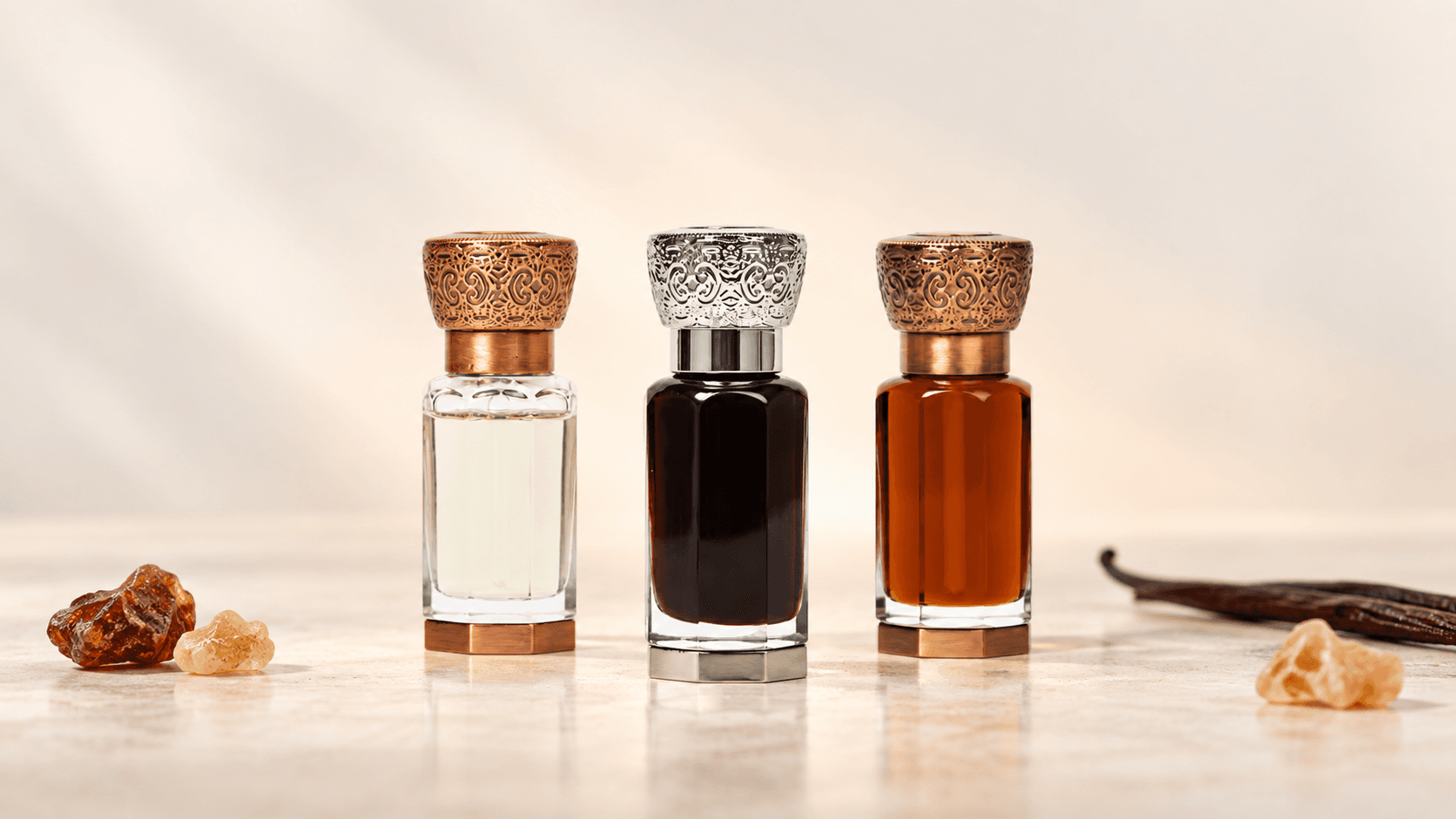
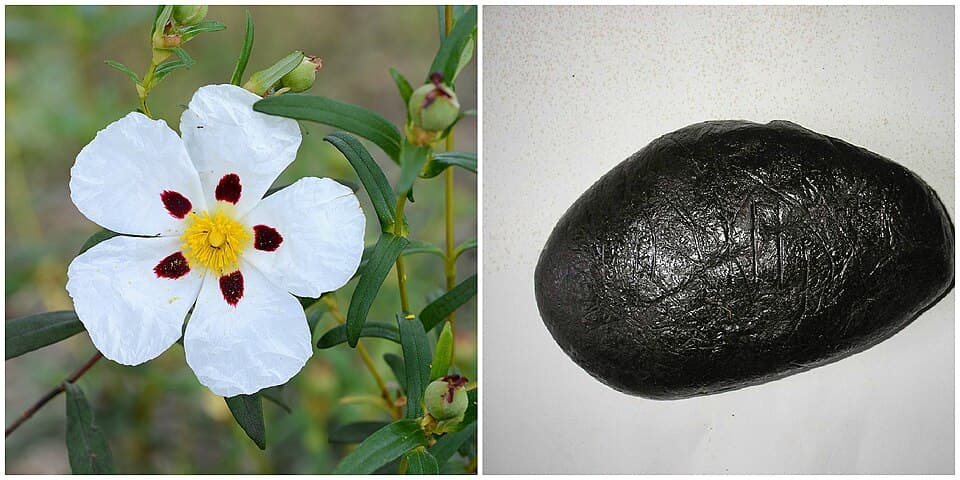
When an attar dries down to warm resin, dry wood, soft leather and a trace of honeyed darkness, labdanum may be part of the structure. It is not a flower, a wood or an animal-derived material. Labdanum is the aromatic, sticky resin found on the leaves and young stems of rockrose, especially Cistus ladanifer.
In perfumery, labdanum gives a fragrance body. It can add balsamic warmth, leathery depth, subtle animalic character and a lasting base. Its connection with amber accords is so close that labdanum and amber are often treated as the same thing. They are not.
Here is a clear guide to what labdanum is, how rockrose resin is collected, what labdanum smells like and why it matters in perfume and attar.
What Is Labdanum?
Labdanum is a resinous exudate produced by several shrubs in the Cistus genus. The best-known perfumery source is Cistus ladanifer, commonly called gum rockrose or simply rockrose. It thrives in dry, sunny parts of the western Mediterranean. Spain and Portugal are major points of reference, although Cistus plants and traditions of collecting their resin are found elsewhere around the Mediterranean.
During hot, dry conditions, sticky aromatic material coats the plant's leaves and tender stems. That material becomes the raw source of labdanum. After collection and processing, it may be used as gum, resinoid, absolute or a more refined perfumery extract.
These names do not describe identical materials. Crude labdanum gum can be extremely thick and sticky. Labdanum absolute is a more workable aromatic extract obtained through solvent extraction and purification. Steam-distilled Cistus essential oil is different again, often smelling brighter, greener and more aromatic than the dense resin extracts.
How Does Rockrose Produce Labdanum Resin?
Secretory hairs on young parts of Cistus ladanifer release the resin. Under strong sun, it can appear as a glossy, adhesive coating on the plant. For the shrub, this secretion is part of its relationship with a hot, demanding environment. For the perfumer, it is a source of remarkable depth.
In commercial Spanish harvesting, current-year shoots may be selectively cut and bundled. Timing and weather matter. Rain can wash resin from the plant, while severe drought stress may reduce plant growth and resin yield. Because labdanum is a natural material, harvest and processing can create noticeable differences from one batch to another.
One old collection story is especially memorable. Goats moving through rockrose scrub would pick up sticky resin on their beards and coats, and people combed it out. Later methods used leather straps or rake-like tools to collect resin directly from the shrubs. Production today is more controlled, but the story shows how long people have valued this fragrant material.
How Is Labdanum Absolute Made?
In one established Spanish process, harvested Cistus branches are steeped in warm alkaline water to release resin from the outer plant material. Filtering, washing, acidification or separation then produces crude labdanum gum. The exact sequence varies by producer and material.
Solvent extraction and purification can turn that gum into labdanum absolute. Molecular distillation may be used for further refinement. Under a strong vacuum and carefully controlled temperature, molecular fractions can be separated. The resulting material may emphasise dry amber, woody or mineral facets.
Traditional methods also vary. Published research describes the Zamorean process, in which boiling water physically removes resin that is then skimmed from the surface. In the Andalusian process, warm alkaline water removes the resin before a lower pH causes it to precipitate. One controlled comparison obtained much more resin through the Andalusian method, but that result belongs to a particular study and set of conditions. It should not be treated as a fixed yield for every harvest or producer.
What Does Labdanum Smell Like?
There is no single labdanum smell that covers every extract. Origin, harvest, extraction and refinement all influence the profile. Still, several descriptions appear repeatedly:
warm and balsamic
dark resinous sweetness
dry wood or a hint of pine
soft leather and tobacco-like shadows
suggestions of honey, dried fruit or plum
faint smoke, herbs or incense
a subtle animalic, skin-like warmth
Here, animalic does not mean animal-derived. Labdanum is a botanical resin. The word describes a warm, intimate and slightly wild scent effect.
Crude resin can smell dense, dark and rough-edged. A clear absolute may feel smoother, more balsamic and easier to blend. A molecularly distilled version may bring forward dry, woody or mineral facets. This explains why labdanum can smell soft and comforting in one perfume but like smoky leather in another.
What Does Labdanum Do in an Amber Accord?
Amber in modern perfumery is usually not one natural substance. It is an accord, a scent idea built by combining materials. A warm structure based on labdanum, benzoin and vanilla or vanillin is widely recognised, although there is no compulsory formula for every amber accord.
Labdanum provides the darker foundation. Benzoin can contribute soft balsamic sweetness, while vanilla brings familiar creamy warmth. Labdanum adds resin, leather, wood and a faint animalic pull. Without it, the accord may remain sweet but lose some of its shadow, texture and grounded warmth.
For a fuller explanation of fragrance amber, fossil amber and ambergris, read AROWA's guide: What Is Amber? Ambergris, Scent Profiles and an Attar Buying Guide.
Where Is Labdanum Used Beyond Amber?
Labdanum is closely associated with amber, but perfumers use it much more widely.
Chypre fragrances
A classic chypre structure moves from a citrus opening into a mossy, woody and resinous base. Labdanum can give that base warmth and density, helping the bright opening settle into a dry, mature character.
Leather accords
Its naturally leathery and faintly smoky facets can round out a leather accord. Beside sharper materials, labdanum adds a softer resinous body that makes the effect easier to wear.
Oud and woody perfumes
Labdanum blends naturally with oud, sandalwood, patchouli and smoky woods. It places a warm amber shadow under the wood and makes the dry-down feel fuller.
Incense, floral and spicy compositions
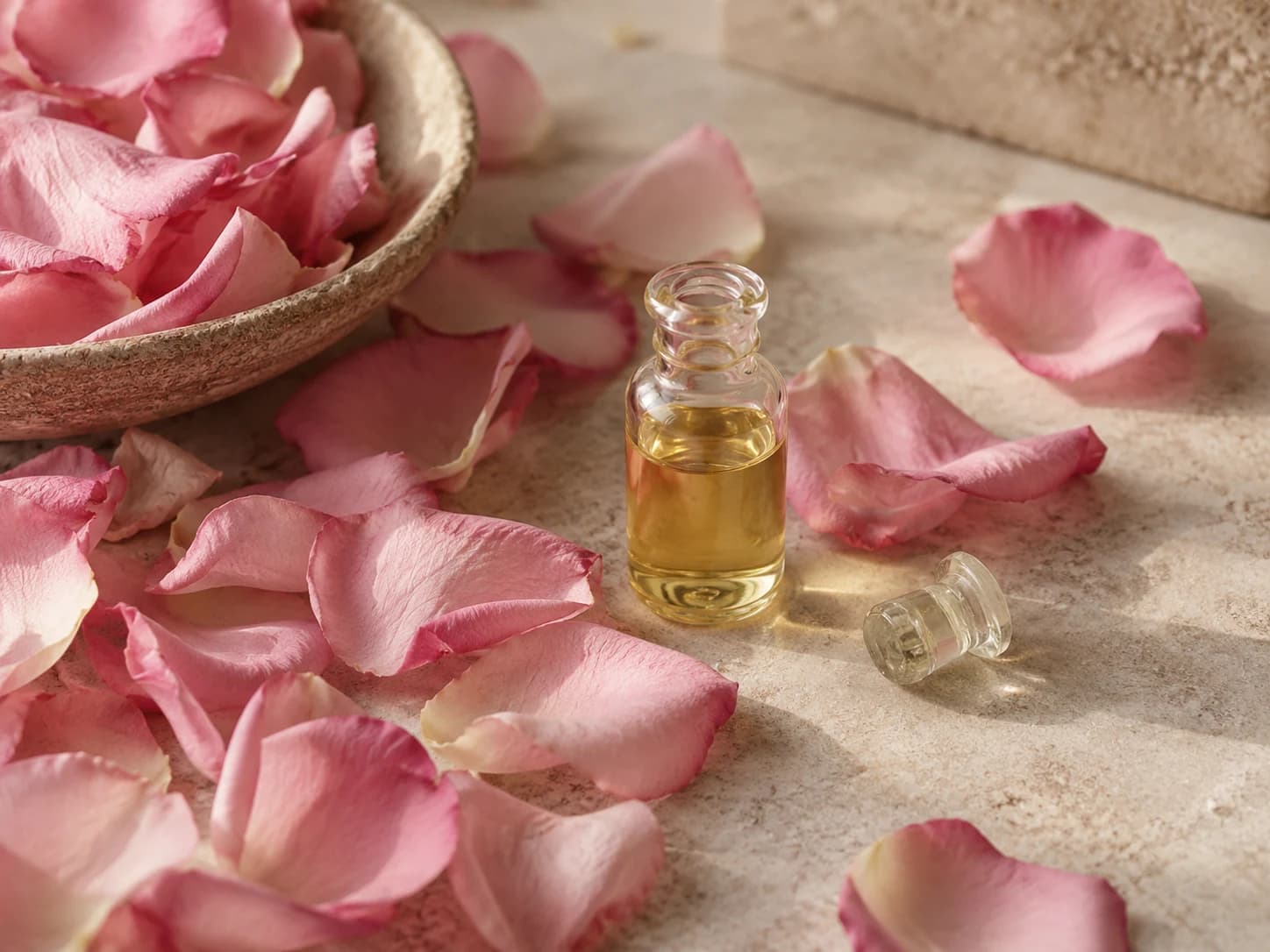
It also works with frankincense, myrrh, rose, jasmine, saffron and warm spices. Its leather facet can add contrast to an opulent floral. In incense compositions it creates resinous continuity, while in spicy blends it supports a darker, longer-lasting finish.
Is Labdanum a Fixative?
Labdanum is valued as a fixative material in perfumery. Its heavier, less volatile aromatic components remain in the base and can smooth the transition of more fleeting notes. That does not mean one ingredient will make every note last equally long. Concentration, formula, skin, climate and application all affect performance.
Labdanum itself can be very tenacious, so perfumers often begin with a small amount. Too much can cover fresh or floral notes and make a blend feel excessively dark, sticky or medicinal.
Labdanum vs Amber, Ambergris and Cistus Oil
Name | What it is | Typical scent direction | Role in perfumery |
|---|---|---|---|
Labdanum | Plant resin from rockrose or Cistus, plus extracts made from it | Warm, balsamic, leathery, woody, ambery | Depth in amber, chypre, leather and woody bases |
Amber accord | A scent structure built from several ingredients | Warm, sweet, resinous, sometimes powdery or spicy | A fragrance accord or family |
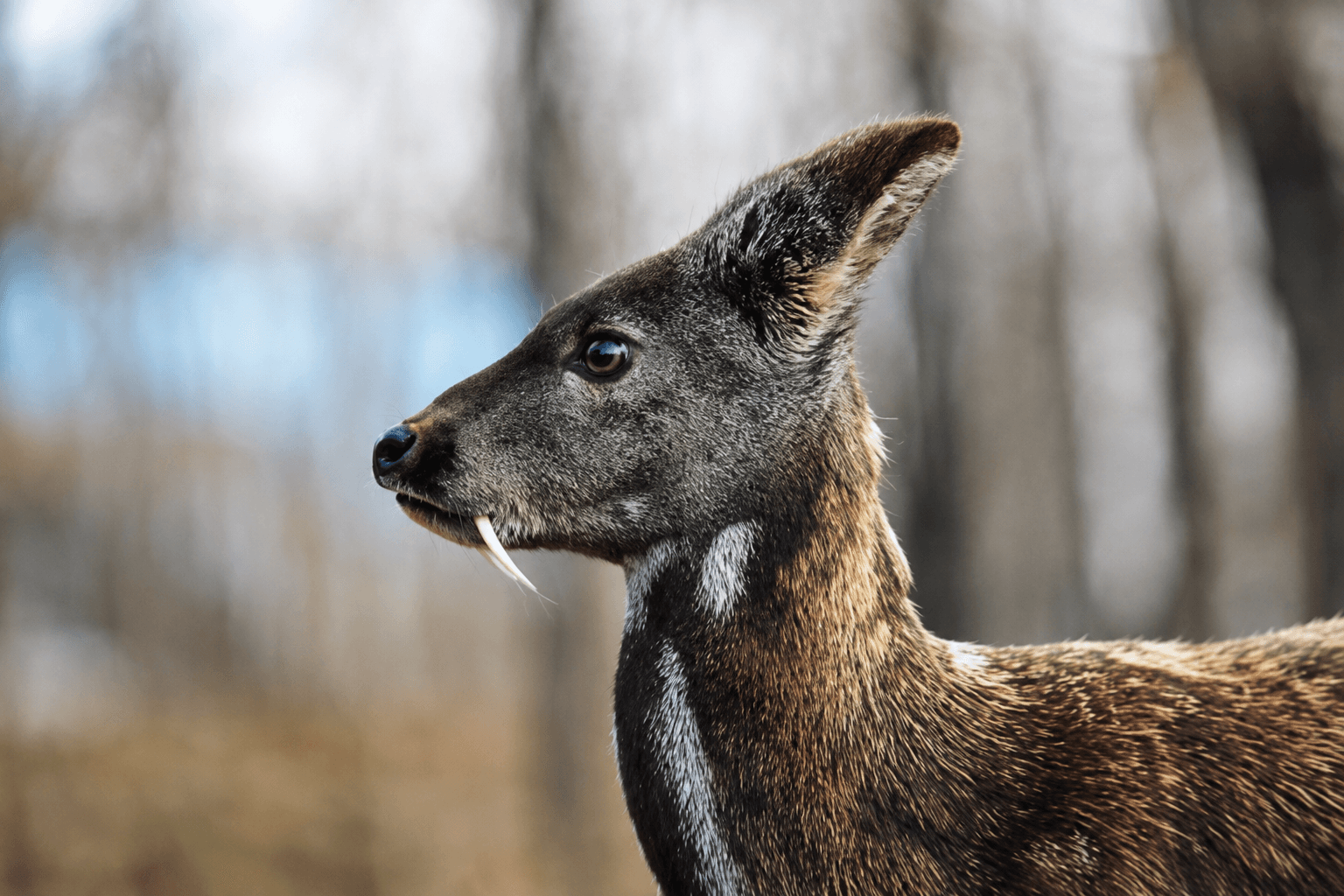
Ambergris | A rare waxy material formed in the digestive system of the sperm whale | Marine, mineral, musky, warm, skin-like | Historical fixative and scent material; not labdanum |
Cistus essential oil | Steam-distilled oil from Cistus plant material | More aromatic, herbal, green and fresh-resinous | A different effect from labdanum absolute |
Fossil amber | Fossilised ancient tree resin | Not normally a perfume note by itself | Known mainly as jewellery; not required in amber accords |
How Can You Recognise Labdanum in Attar or Perfume?
If labdanum appears in a note list, do not expect to isolate it in the first spray or drop. It often becomes clearer from the heart into the base. Citrus, spice or flowers may lead at first. Later, as the fragrance turns warmer, resinous, leathery and closer to the skin, the role of labdanum becomes easier to notice.
Look for three effects:
Sweetness that feels darker than candy, closer to resin or dried fruit.
Soft leather or smoky warmth joining the wood.
A dry-down that feels rounded and dense rather than thin.
These are clues, not proof. Benzoin, vanilla, patchouli, tobacco accords, synthetic amber materials and leather molecules can create related impressions. Check the brand's official note list if you need confirmation.
How to Choose a Labdanum Attar in Bangladesh
When looking for the best attar in Bangladesh, do not rely only on labels such as premium attar, natural attar or organic attar. None of these phrases alone proves ingredient origin, formula quality or organic certification. When choosing a labdanum attar, check the official note list, the complete scent profile and how clearly the brand explains the material.
Searches for the best-selling attar in Bangladesh, top-selling attar in Bangladesh or most popular attars in Bangladesh can lead to many popular products, but labdanum may not appear as a separate category. It often works as a supporting note inside musk, amber, oud, leather or rose compositions. Look beyond the product name and check the heart and base notes.
Labdanum paired with vanilla and benzoin often moves towards a warm, sweet amber profile. With oud, smoke or leather, it may feel drier and deeper. Beside rose or other florals, it can add dark resinous depth without simply increasing sweetness. These details are more useful than a broad “Bangladesh's best attar” claim.
Which AROWA Attars Contain Labdanum?
To understand labdanum, compare it in fragrances where it works with different notes.
Musk Amber
Labdanum, vanilla and benzoin form the heart, making this the most direct example of a classic warm amber structure. After the spice, mint and saffron opening settles, resinous sweetness comes forward. Musk, amber resin and leather deepen the base.
Dehn Al Oud Suyufi
Here labdanum appears in the dry-down. Beside oud, leather, smoke and balsamic notes, it provides a warm resinous foundation. This is a useful example of how labdanum supports a woody perfume.
Black Rose
Black Rose begins with pepper and bergamot before moving into a dark floral heart. Sandalwood, labdanum and musk settle into the warm woody base. It shows how labdanum can deepen a floral composition without simply making it sweeter.
Can You Apply Labdanum Directly to Skin?
Raw labdanum resin, absolute and concentrated perfumery materials are not finished attars. A concentrated aromatic extract should not be assumed safe for direct skin application. Formulators need to follow the supplier's usage guidance, suitable dilution levels and applicable fragrance safety standards.
With a finished attar or perfume, follow the brand's directions. If your skin is sensitive, test a small area first and stop using the product if irritation occurs. Laboratory research on labdanum does not make perfume or raw resin a medical treatment.