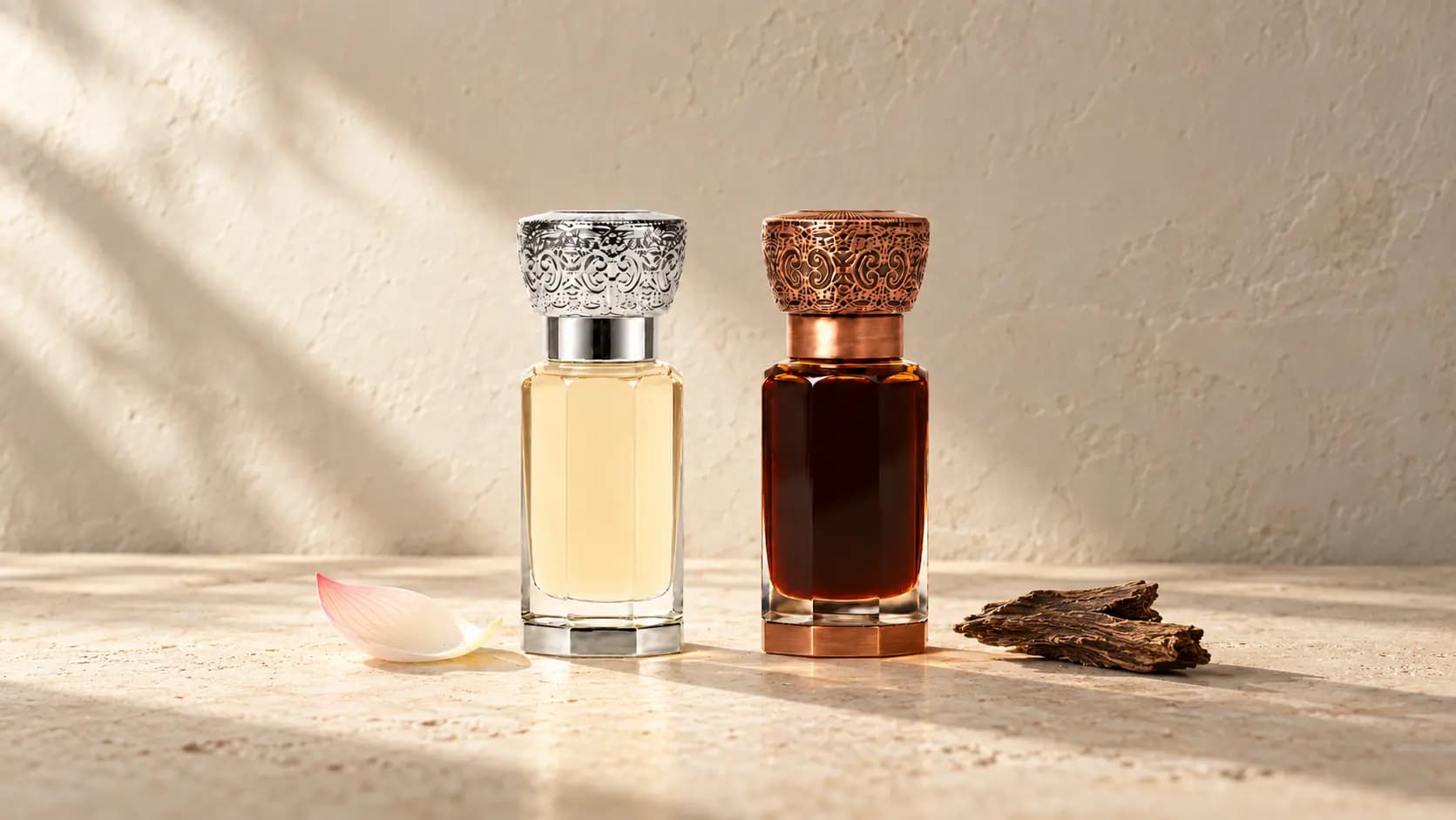
You open an older bottle of attar and notice that the liquid looks darker. The scent also seems slightly different. This naturally raises a question: does attar expire, or has the fragrance simply matured with time?
There is no single expiry date for all attars. Some well-stored oud, sandalwood and resin-based oils remain enjoyable for years and may become smoother. Light, heat, oxygen or contamination can damage newer bottles too. Understanding attar shelf life and how to store attar properly means considering both the formula and its current condition.
Does Attar Expire or Go Bad?
Yes, attar can deteriorate. It does not normally become unusable on one fixed date in the way perishable food does. Change happens gradually, and its speed depends on the formula, raw materials, carrier oil, bottle, handling and storage conditions.
Oxidation occurs when fragrance materials react with oxygen. Light and heat can accelerate these changes. Oxidation or a rancid carrier oil may introduce sour, metallic, stale-nut or old-oil odours. A smoother scent does not establish that oxidation is beneficial.
In simple terms: age alone does not mean an attar has spoiled. The real question is whether it has matured while remaining recognisable, or lost its balance and developed unpleasant new odours.
Attar and alcohol-based perfume have different formulas, so their shelf lives vary. Read the difference between attar and perfume.
Why Is There No Fixed Attar Expiry Date?
Each formula contains different materials. If it uses a carrier oil, that oil's stability also affects shelf life.
Type of attar | Common change over time | Warning sign |
|---|---|---|
Citrus and fresh styles | Bright opening notes may soften first | A new sour, sharp or turpentine-like smell |
Delicate floral and fruity styles | Lighter notes may gradually weaken | New stale or unusually harsh odours |
Oud and sandalwood-based attars | May become smoother and deeper with good storage | Sourness or flatness replacing the familiar wood |
Amber, musk and resin-based attars | Some darkening or thickening can be normal | Bad odour, unusual separation or irritation |
Blends in less stable carrier oils | The carrier may turn before the fragrance | Stale nuts, crayons, wax or old cooking oil |
Natural does not automatically mean longer-lasting, and synthetic does not mean unstable. Read the natural vs synthetic attar guide, but consider the formula too. Follow any expiry date or period-after-opening guidance: an open-jar symbol marked 12M means 12 months after opening. A batch code identifies a production batch, not an expiry date by itself.
Matured Attar vs Spoiled Attar
Maturation may make a recognisable scent smoother. New unpleasant odours suggest deterioration. These signs are clues, not proof of safety.
What to check | Normal maturation | Possible spoilage |
|---|---|---|
Scent | Softer opening and deeper base, still recognisable | Sour, metallic, rancid, musty or old-oil smell |
Colour | Gradual, even darkening | Dramatic change with cloudiness or a bad smell |
Texture | Slight thickening in resinous oils | Gummy texture, persistent sediment or separated layers |
Skin response | Behaves as it did before | New burning, itching or redness |
Performance | Quieter top with an intact base | Unusual weakness compared with before; not proof alone |
Colour alone is not proof. Some vanilla or resin-containing formulas darken, while natural rose oil may congeal in the cold. Gentle hand warmth may reverse this; do not use a flame or hot water. Ask the seller whether a change is normal for the formula.
What Makes Attar Deteriorate Faster?
Light
Direct sunlight can accelerate changes in fragrance materials. Keep the bottle in its box inside a closed cabinet, not on a windowsill. This protects clear bottles too.
Heat and Repeated Temperature Changes
Heat speeds chemical reactions. In Bangladesh, avoid cars, kitchens and hot appliances. Choose a location that stays as cool and stable as practical. A consistently overheated room is not suitable simply because it is stable.
Oxygen
Loose caps, unnecessary opening and excess air in a nearly empty bottle can encourage oxidation. Close the cap firmly after use.
Humidity and Contamination
Bathroom steam and temperatures fluctuate. A rollerball or glass applicator can carry water, lotion or dirt into the bottle and contaminate the oil.
How to Store Attar Properly
Choose a cool, dark, dry and stable place. A closed bedroom drawer or cabinet is usually suitable.
Store bottles upright to reduce prolonged oil contact with the closure and the risk of leakage.
Close the cap tightly after use. Avoid unnecessary opening.
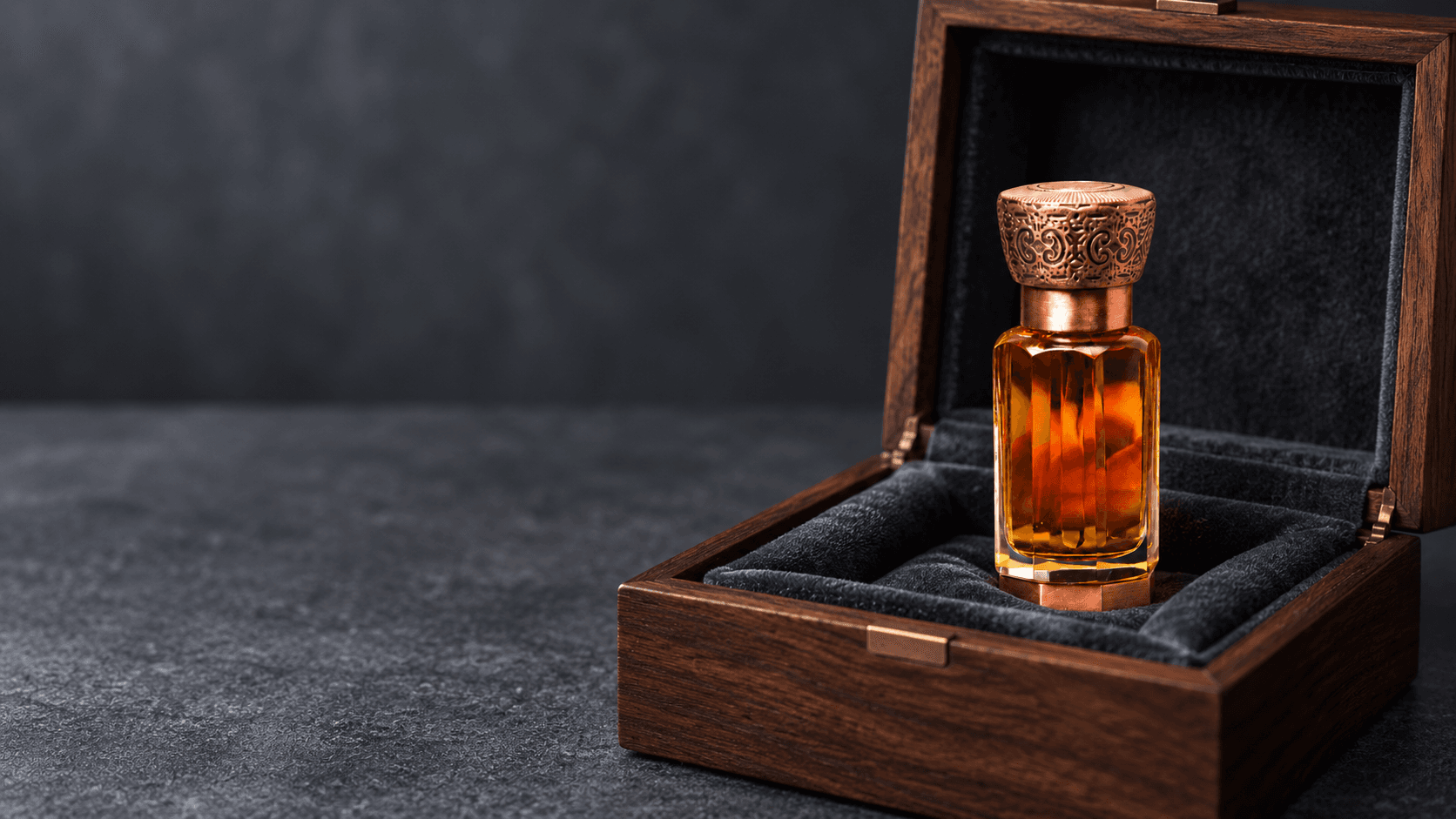
Keep the original glass bottle and box. Avoid unknown plastic containers.
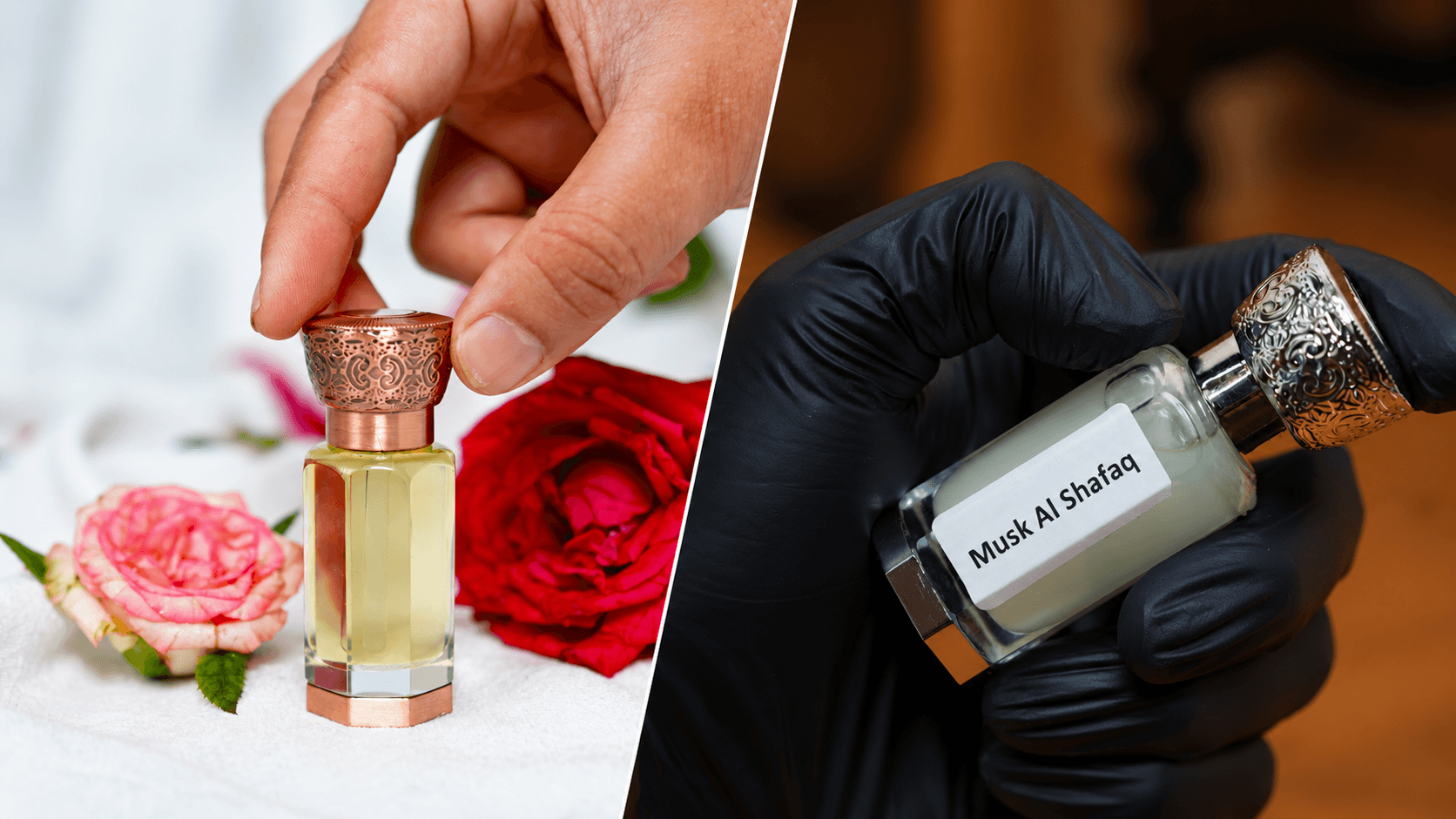
Apply rollers or glass rods to clean, dry skin. Do not apply over lotion or another fragrance and return them to the bottle.
Travel with a clean small vial. Avoid hot cars and bags left in direct sun.
For long-term storage of a nearly empty bottle, a suitable smaller glass vial reduces headspace. An unclean container increases contamination risk.
Shelf life in the bottle and longevity on skin are different. Lasting longer on skin does not prove quality. Read the guide to long-lasting attar and quality.
Should You Keep Attar in the Fridge?
Usually, no. A cool, dark room may be enough. Opening a cold bottle after removing it from a fridge can allow moisture to condense; some materials may also congeal.
If the room stays extremely hot, ask the maker for guidance. With controlled cool storage, keep the bottle tightly sealed and let it reach room temperature while closed before opening.
How to Check an Older Attar Before Use
Smell the bottle opening. Check for new sour, rancid or metallic odours.
Apply a little to an unscented paper or blotter. Check the dry-down after a few minutes too.
Check for new cloudiness, persistent layers or a gummy texture. Colour alone is not proof.
Do not test a questionable oil on skin. If an older bottle seems unchanged, follow the maker's usage instructions. Stop if it causes new burning or itching.
The Tisserand Institute warns that some oxidised essential-oil constituents increase skin-reaction risk. A normal smell cannot confirm safety, and a small-area test cannot rule out future reactions.
Buying and Storing Attar in Bangladesh
Lists labelled top-selling attar in Bangladesh, best-selling attar in Bangladesh, most popular attars in Bangladesh or Bangladesh top-selling attar do not establish freshness. Calling something the best attar in Bangladesh cannot establish shelf life either. Sales claims need evidence; shelf life depends on the formula and storage history.
When buying a premium attar in Bangladesh or a natural attar in Bangladesh, check the original bottle's closure, material information and storage instructions. Try a sample first if available. The guide to choosing a good attar helps you evaluate its opening through to the dry-down.
Frequently Asked Questions About Attar Shelf Life
How Long Does Attar Last in the Bottle?
There is no universal number. Ingredients, carrier oil, bottle, opening frequency and storage conditions all matter. Many well-stored attars can remain enjoyable for several years or longer.
Does Old Attar Always Improve?
No. Some oud, sandalwood, amber and resin-based attars may mature beautifully. Citrus, delicate florals and blends in less stable carrier oils may lose quality sooner.
Does a Darker Colour Mean the Attar Has Expired?
Not always. Slow, even darkening can be normal. Be cautious when a large colour change appears with sour or rancid odours, cloudiness, unusual layers or skin irritation.
Can I Store Attar in the Bathroom?
It is better not to. Avoid steam and temperature swings; choose a closed bedroom drawer or cabinet.
Is Expired Attar Safe to Use?
Avoid using a questionable oil. If burning or itching occurs, stop and wash it off. Seek medical advice for a severe or persistent reaction.
Consider Both Time and Current Condition
Remember: cool, dark, dry, upright and tightly closed. Record purchase and opening dates, and compare the scent occasionally with your first-day impression. Do not dismiss new sour or rancid odours as maturation. Follow the maker's stated time limits too.