One of the first questions people ask when buying attar is, “How long does it last?” It’s a fair question. No one wants a scent they enjoy to disappear after an hour or two. The trouble starts when longevity becomes the only test of quality.
The short answer is no. A long-lasting attar isn’t automatically a good attar. Longevity matters, but it’s only one part of the experience. The scent itself, how it changes on skin, whether it still smells pleasant hours later, and where you plan to wear it all matter just as much.
Imagine one attar that lasts 12 hours but feels sharp and tiring from beginning to end. Another lasts five hours, develops beautifully, and never becomes uncomfortable. The first one wins on the clock. Your nose may still prefer the second.
What does attar longevity mean?
Longevity is the length of time a scent remains detectable on skin or clothing. Detectable is the key word. A fragrance doesn’t need to smell as strong in its eighth hour as it did in its first.
Scent changes as it wears. Lighter opening notes soften first, the heart comes forward, and the deeper base notes remain at the end. By then, the attar may sit close to the skin. Someone across the room may not notice it, but the scent can still be present when you smell the application point.
There’s another reason an attar may seem to disappear. Your nose gets used to a familiar smell. After a while, your brain stops paying the same level of attention to it, even though other people can still detect it. This is often called nose fatigue.
Lasting longer and smelling better are different things
Quality begins with the scent, not the stopwatch. Once the first sharpness settles, does the fragrance smell pleasant? Do the notes sit well together? Does it move naturally from the opening to the dry-down, or does it turn flat and tiring?
Some attars make a great first impression but become too sweet after an hour. Others open quietly, then reveal musk, woods or amber as they settle. You won’t learn that from one sniff at the bottle. The fragrance needs time on skin.
A good attar should smell clean, feel comfortable and do what its composition promises. It doesn’t have to be complicated. A simple rose attar can be excellent if the rose smells convincing and remains pleasant as it softens.
Different notes last for different lengths of time
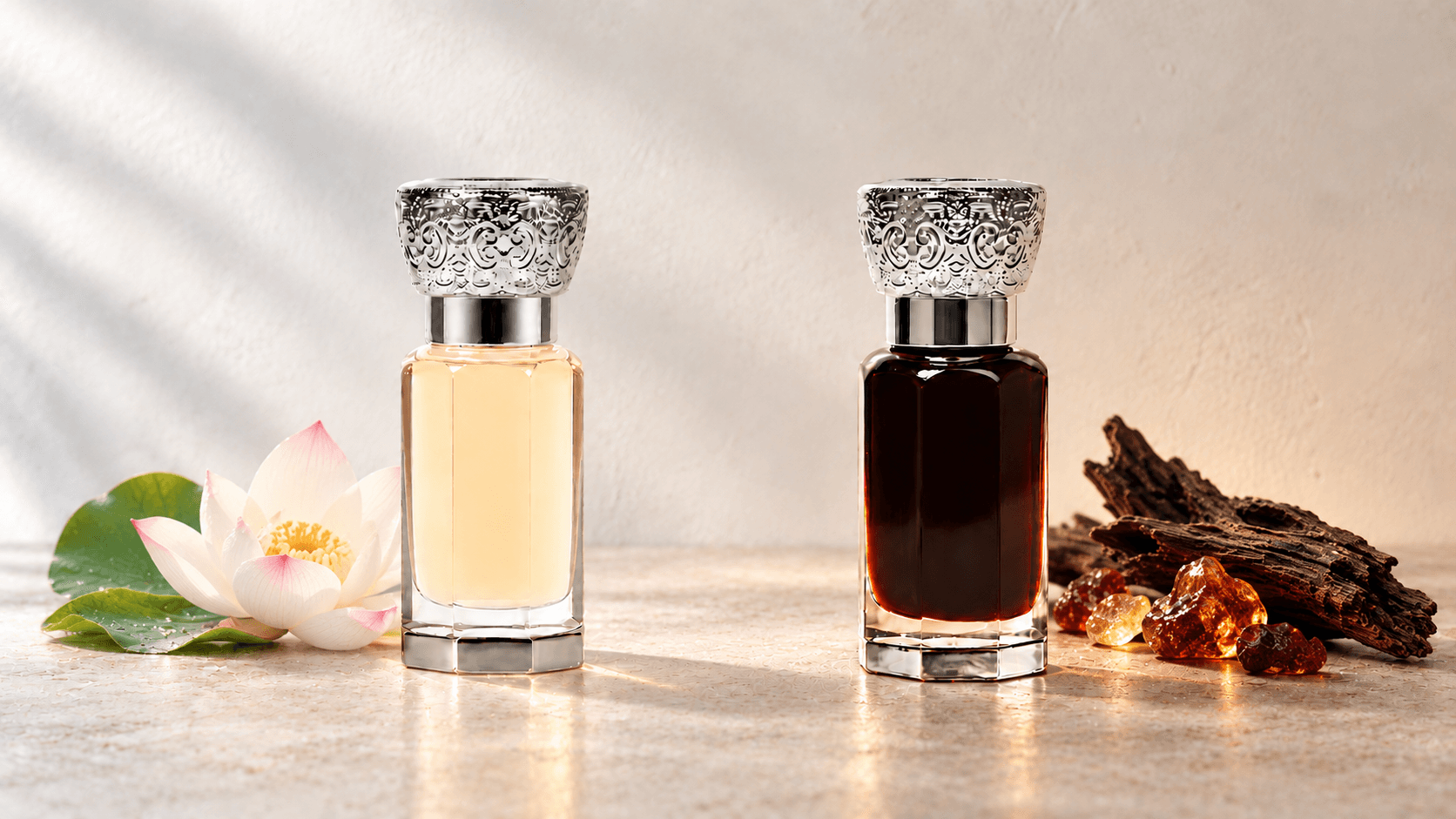
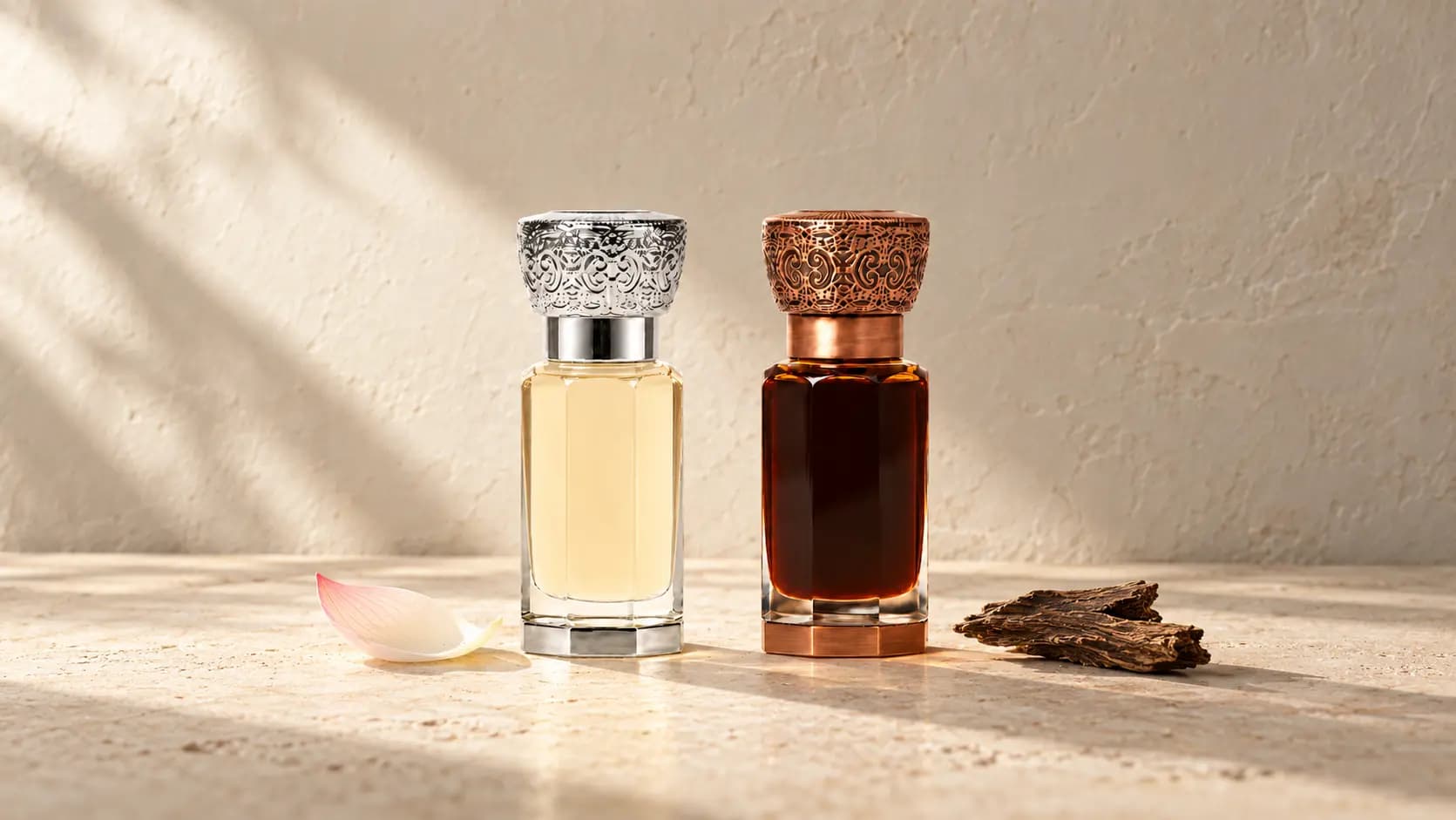
Citrus, mint, green leaves and lighter flower notes tend to appear quickly. They usually soften earlier. Oud, musk, amber, sandalwood, patchouli, vanilla and resins evaporate more slowly, so they often remain in the base for longer.
A fresh citrus scent may last fewer hours than a deep oud. That doesn’t make it inferior. They’re built for different moods and settings. On a hot afternoon, a light scent can feel far better than a dense oud. Bring that oud into a cool evening and the result may be completely different.
If you want to understand how these layers develop, read AROWA’s guide to fragrance notes.
Longevity, projection and sillage are not the same
These terms describe three different parts of fragrance performance. Longevity is how long the scent remains detectable. Projection is how far it radiates from your body while you’re wearing it. Sillage is the trail left in the air as you move.
An attar can stay on skin for hours without travelling far. Another fragrance may fill a room during its first hour and become quiet soon after. Neither behaviour proves quality on its own. Context decides what works.
Strong projection can feel uncomfortable in an office, car, mosque or small room. In those places, a soft attar that stays close to the body often makes more sense. At an outdoor event, you may want a little more reach. Good performance doesn’t mean announcing your arrival before you enter the room.
The same attar won’t last equally on everyone
If an attar lasts eight hours on your friend, it won’t necessarily give you the same result. Natural skin oils, moisture, body temperature and weather all change the way scent develops.
Attar often fades faster on dry skin. Applying a small amount of unscented moisturiser to clean skin, then waiting for it to absorb before using the attar, may help. Heat makes scent travel faster, so the opening can feel stronger in warm weather. Cooler air slows that movement. The fragrance may seem quieter but remain detectable for longer.
Storage matters too. Direct sunlight, excess heat and leaving the bottle open can slowly change the scent. A bathroom shelf may look convenient, but it isn’t a good home for attar. A cool, dark place is safer.
Does a higher concentration prove better quality?
A higher amount of aromatic material can slow evaporation and help a scent last longer. That still doesn’t tell you whether the attar smells good. The materials, their proportions and the kind of fragrance being made all shape the result.
More concentrated attars don’t always project further either. Many oil-based attars stay close to the body while lasting for hours. Concentration, strength, reach and quality are connected, but they aren’t interchangeable.
How to test an attar before buying
Apply a small amount to clean skin and don’t rub it. Notice the opening during the first five to ten minutes, then leave it alone for at least half an hour. Smell the application point again after two to four hours. That later stage tells you far more about the dry-down.
If you stop noticing the scent, don’t reapply immediately. Step into fresh air and ask someone you trust whether they can still smell it. Try the same attar again on another day if possible. Weather, skin condition and nose fatigue can all affect a single test.
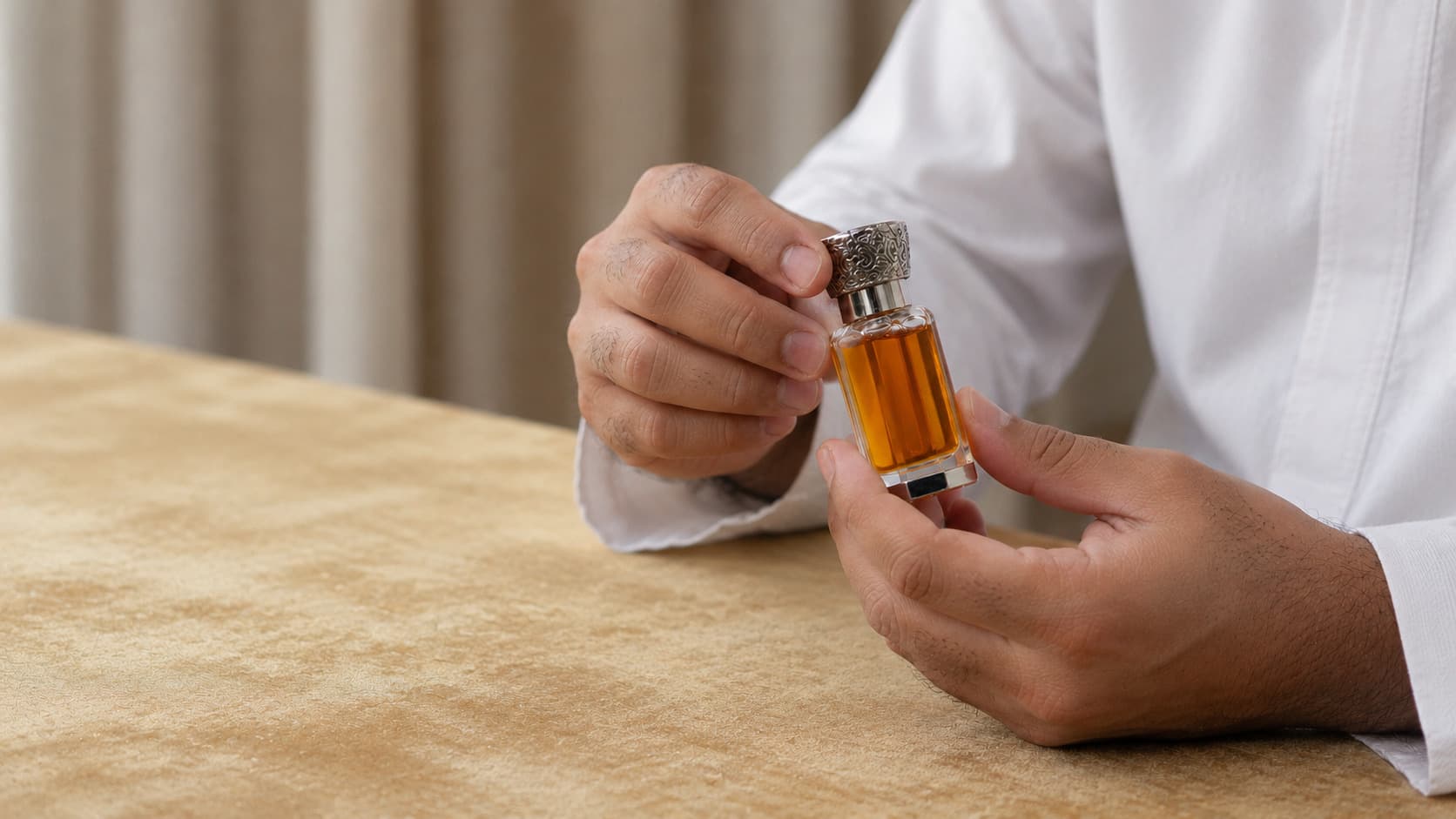
Every AROWA order includes a small Testing Vial of the same attar. You can try the vial on your skin before opening the seal on the main bottle, then check the opening, projection and dry-down. A paper tester gives you an introduction. Your skin gives you the real answer.
When does a long-lasting attar make sense?
Longevity is useful during a long workday, a journey or an event where reapplying isn’t practical. For a short outing or a hot afternoon, a lighter scent that lasts four or five hours may be all you need. Chasing the longest-lasting option every time can make you overlook many beautiful lighter scents.
Price doesn’t settle the question either. Rare materials, difficult production, the bottle and presentation can all raise the cost of an attar. None of them promises a fixed number of hours on your skin. Natural doesn’t always mean longer-lasting, and synthetic doesn’t always mean short-lived.
Longevity deserves a place in your decision, just not the whole decision. Wear the attar, give it time, and pay attention to how it feels after the opening has passed. To evaluate an attar beyond longevity, read AROWA’s guide on How to Choose a Good Attar.
The clock can tell you how long an attar stayed. Your nose tells you whether those hours were worth having.