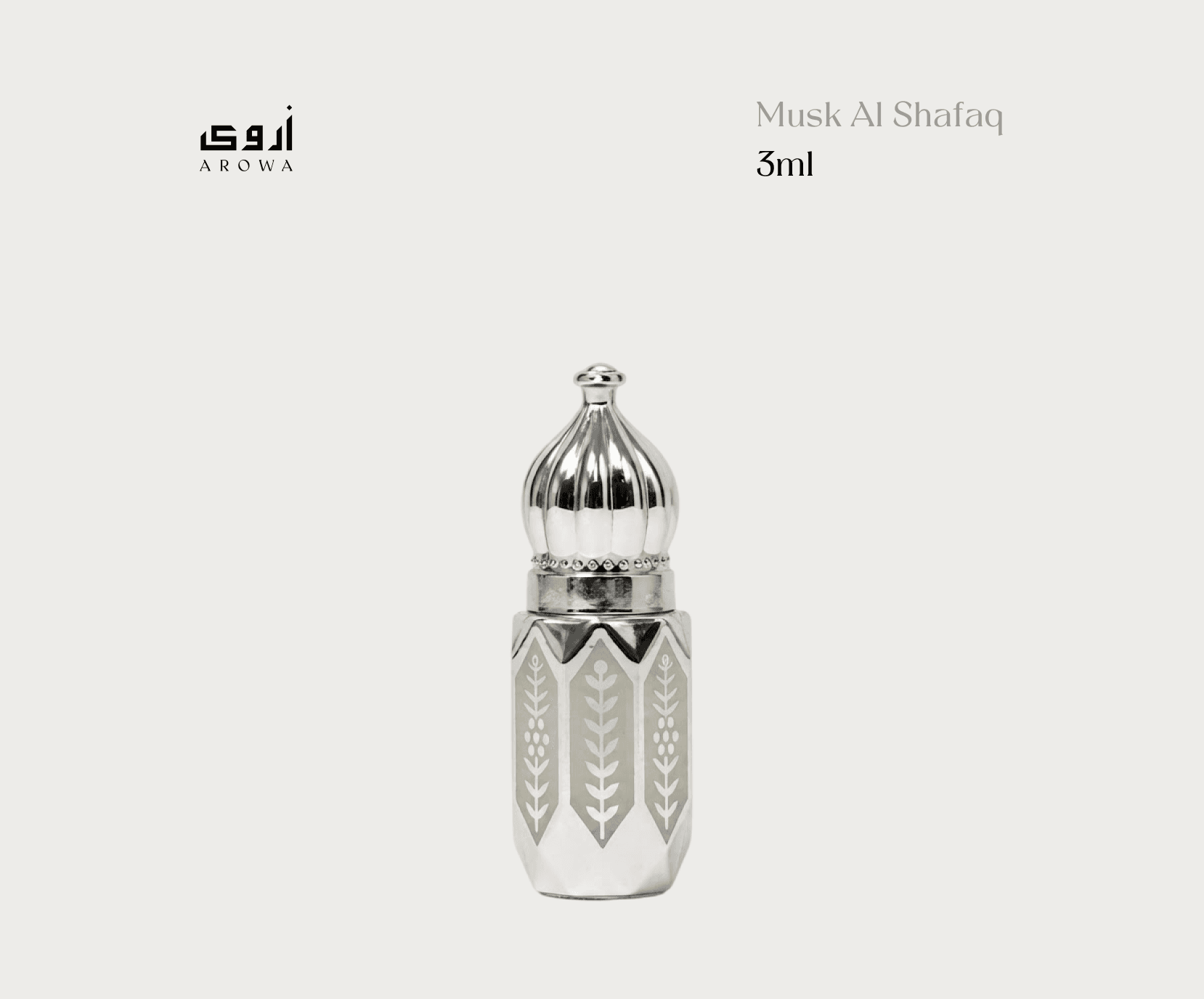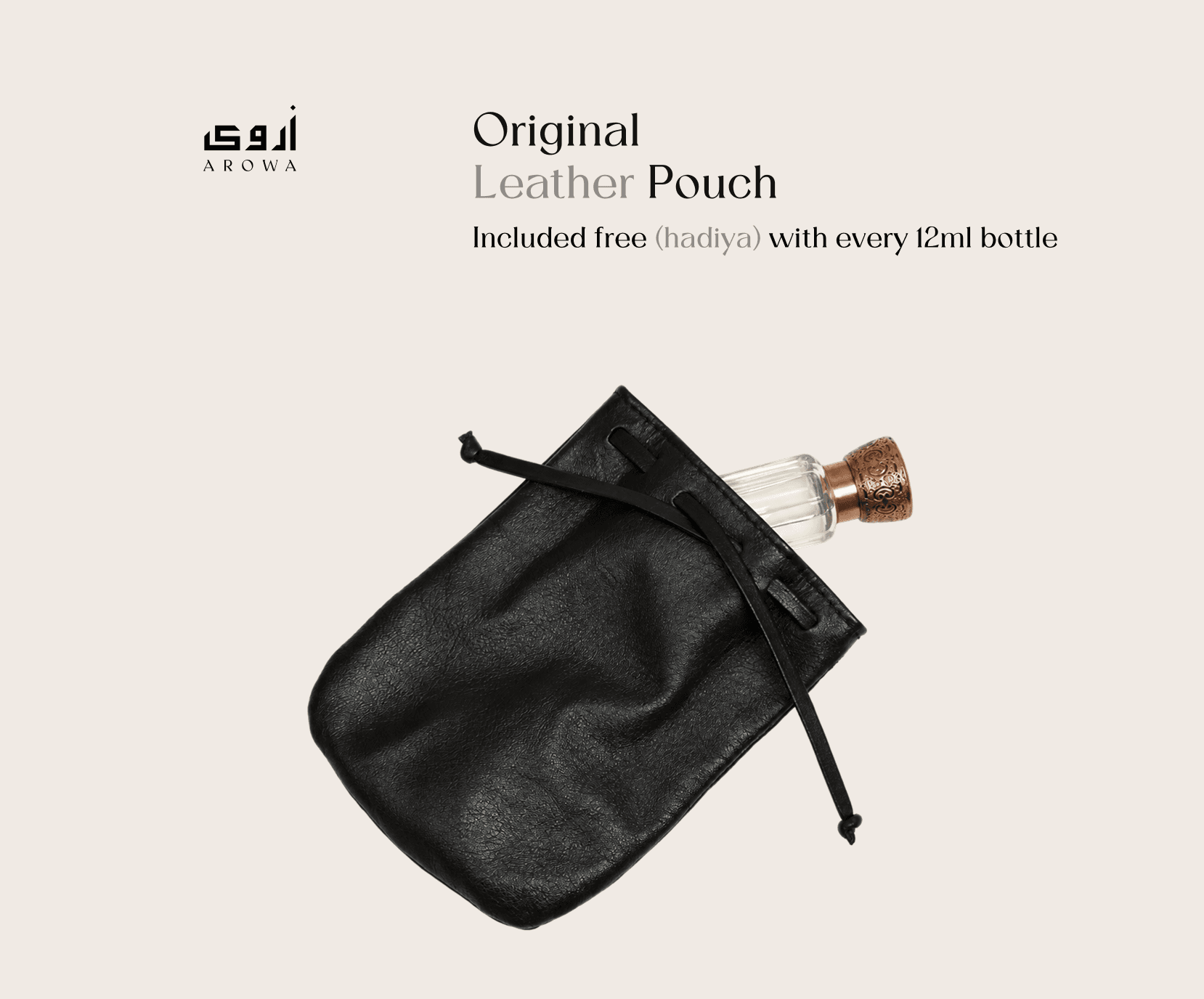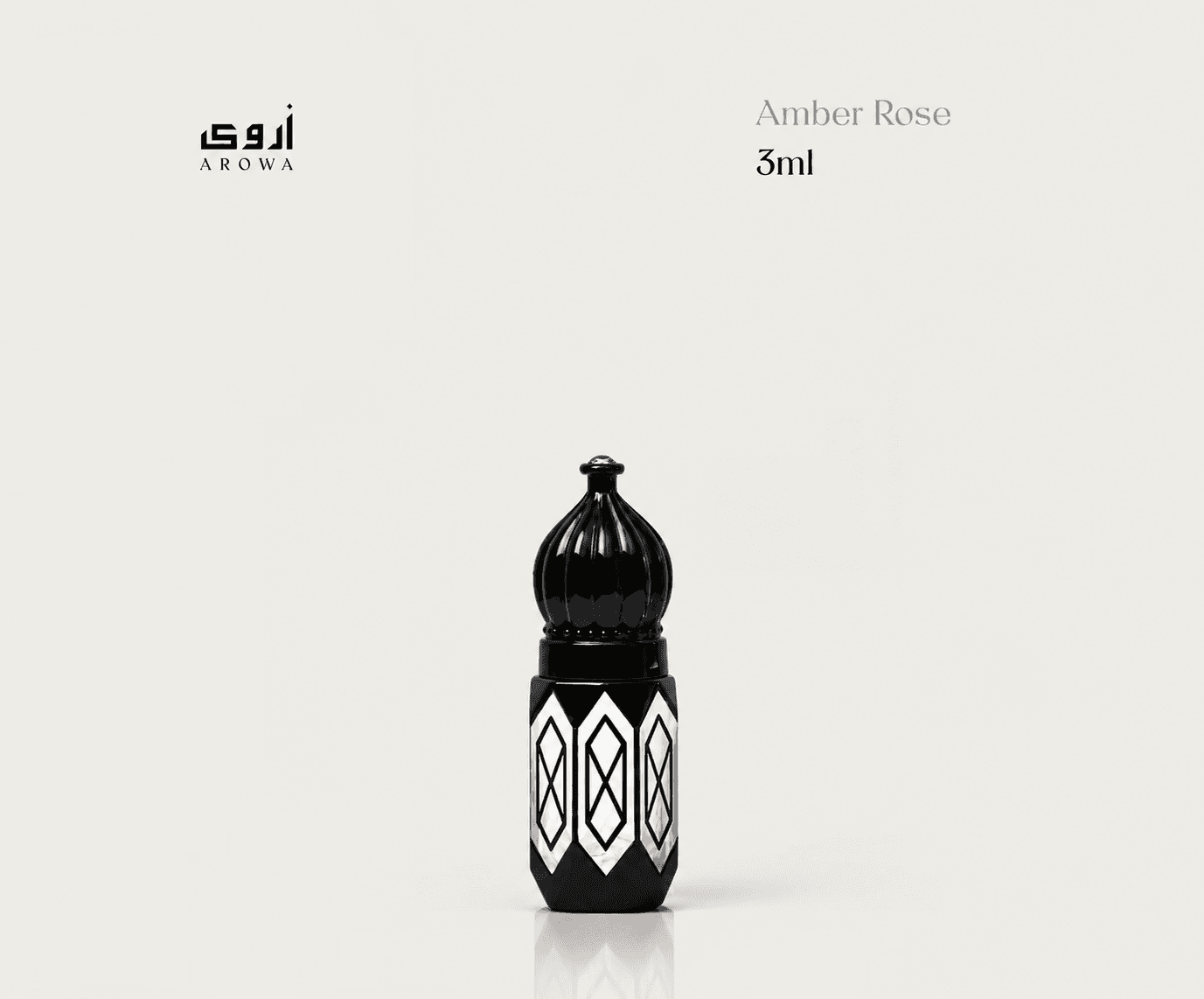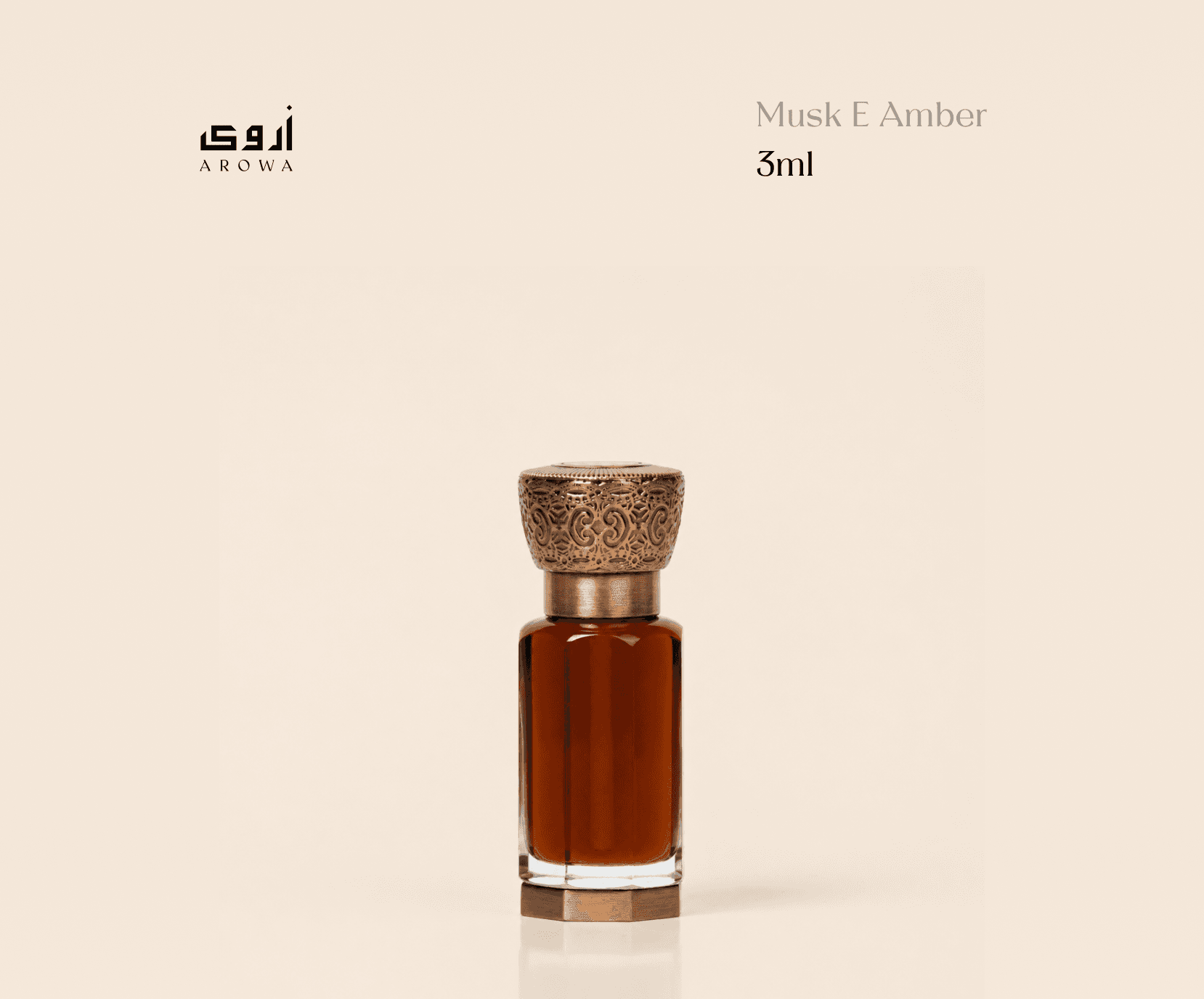
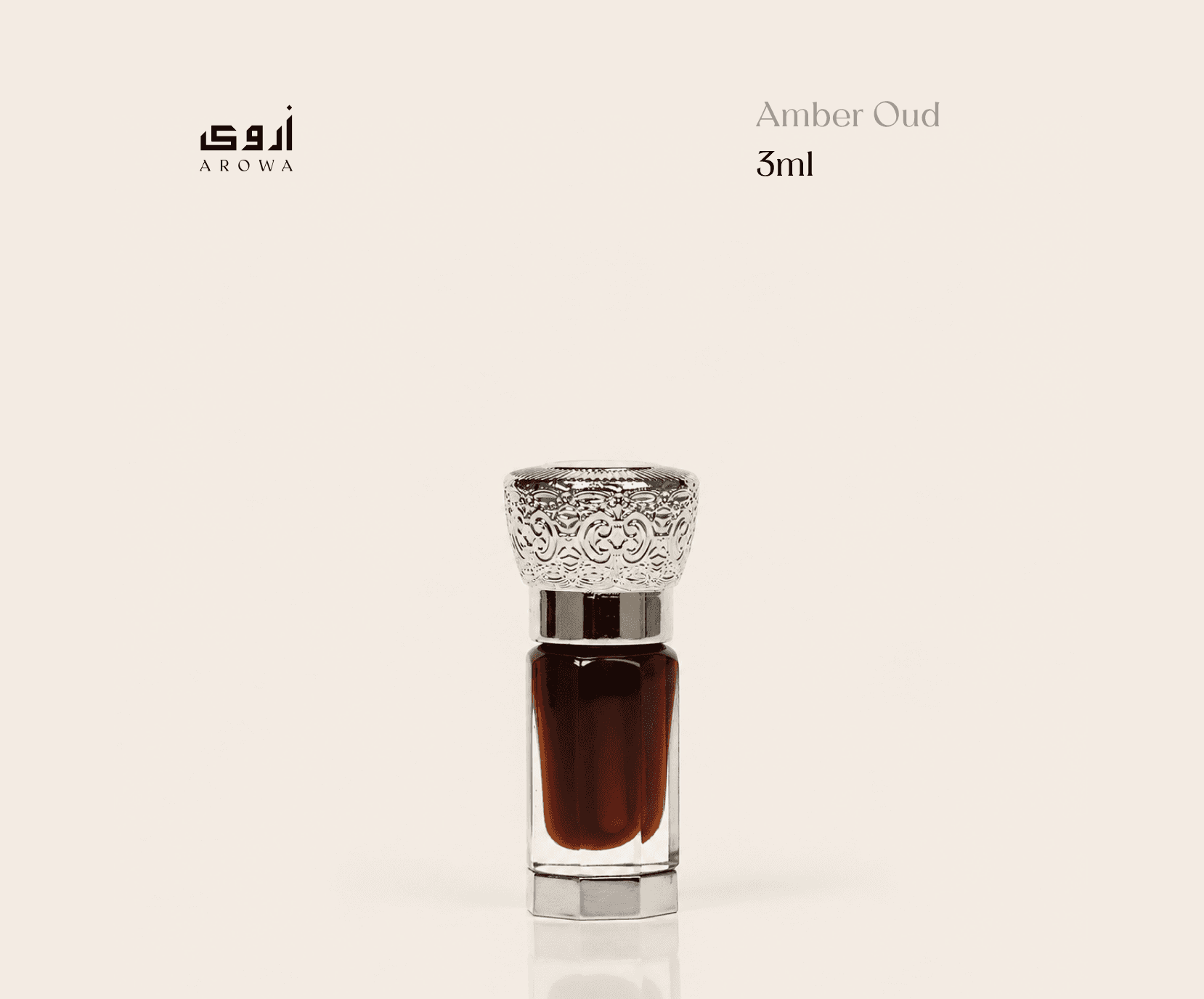
Amber Oud - The most regal blend in all of perfumery.
Region: India
A dream come true for matured noses.
Can the blend of ever-rare Amber and precious Oud really be put into writing? Amber's balsamic identity, with vanilla's sweetness over it, and a finish of caramelised smoky spice. On the other side, the regal warmth of oud, intense and thick with the smell of damp earth, a faint animalic pull running underneath. When these two fuse into one, the chemistry that comes out of it is, in a word, unmatched. So, did you lose yourself imagining the scent of Amber Oud?
- Longevity
- 9h
- Gender
- Unisex
- Testing bottle on delivery. Don't love the scent? Return the main bottle unopened.
- Cash-on-delivery available
- Fast support
How it unfolds
Behind the scent
Two legends of scent coming together, is that ever a simple thing?
Let's take a closer look before we take it in.
What amber is
The most confused word in all of perfumery is amber. There's more myth attached to this name than fact.
Fossilised amber. Conifer resin, hardened into stone over millions of years. Golden and translucent, made for jewellery. Almost no scent at all.
Ambergris. A rare substance formed in the digestive system of the sperm whale and left drifting at sea. Years of sun and salt turn it sweet, salty and animalic.
The classic French amber accord. Labdanum's dark animalic resin, vanilla's creamy sweetness, and benzoin's balsamic warmth, the three of them together. It only took shape in the early twentieth century, once vanillin became affordable.
Woody amber. A modern synthetic molecule. Woody, but far softer and more velvety than an ordinary woody note.
Now the real point. When you see amber listed in a fragrance, most of the time it means the third one, that classic accord. Labdanum, vanillin and benzoin, with sweet resins like tonka or Peru balsam added as the perfumer sees fit. What you get on the skin is a thick, warm, balsamic sweetness, with labdanum's leathery animalic edge tucked underneath.
Or else it means synthetic ambroxan, which came in to replace ambergris. Its character runs in the opposite direction. Golden, light, almost airy, with a salty marine touch and a faint trace of ambergris depth underneath.
And here's the strangest part. That accord took its name from the colour of the stone, not from any smell. People looked at golden amber and imagined that if it had a scent, it would be warm and sweet like this. That imagining is now an entire fragrance family.
What oud actually is
Oud is the resinous heartwood of the Aquilaria tree, a slow-growing evergreen native to the forests of Southeast Asia and parts of South Asia. A handful of species in the genus can produce it, mainly Aquilaria malaccensis, Aquilaria crassna and Aquilaria sinensis. Left unharmed, these trees give ordinary pale wood that smells of nothing in particular.
Oud forms only when the tree falls sick.
When an Aquilaria is wounded by insects, fungi, or deliberate human incisions, the tree responds by producing a thick, dark, aromatic resin inside its heartwood as a defence. That resin is its immune system. As the infection spreads over time, the resin saturates the surrounding wood. The clean pale timber turns dark brown, then black, dense and heavy with oil. That infected, resin-soaked wood is what perfumers call oud. In the trade it's also called agarwood, gaharu in Indonesia, jinko in Japan, and aloeswood in old Western books.
A healthy Aquilaria tree produces no oud in its entire lifetime. An infected tree yields commercial-grade oud only after years of slow saturation. And the finest ouds, the ones collectors will pay five figures for, come from trees that have been slowly infected for decades.
Amber-Oud
Everything you've read so far is history and chemistry. What the two of them feel like together on the skin, no writing will tell you.
Arowa brings you that Amber-Oud. On one side, amber's warm balsamic sweetness. On the other, oud's dark, earthy depth. Each of them a legend on its own, and what stands up when they sit together is hard to put a name to.
One drop on the wrist. You'll work out the rest yourself.
Application guide
A single drop is enough
Attar is very strong. One drop on the wrist lasts hours.
On the pulse points
Apply on wrist, side of neck, or behind the ears. Body warmth lets the scent bloom.
Don't rub
After applying, don't rub. Just dab gently.
Cool & dark storage
Kept away from sunlight, it stays good for years.
Reviews
What customers say
No reviews yet. Be the first to share your experience.